Firm Foundation, Bolgatanga

This school has changed its name to PLATO ACADEMY, BOLGATANGA.

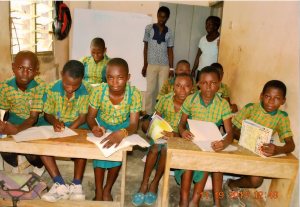
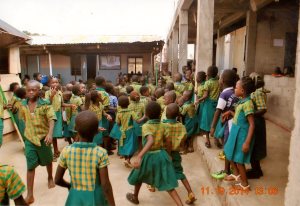
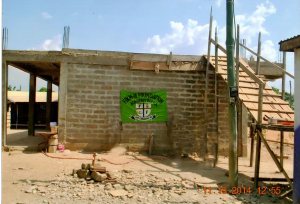
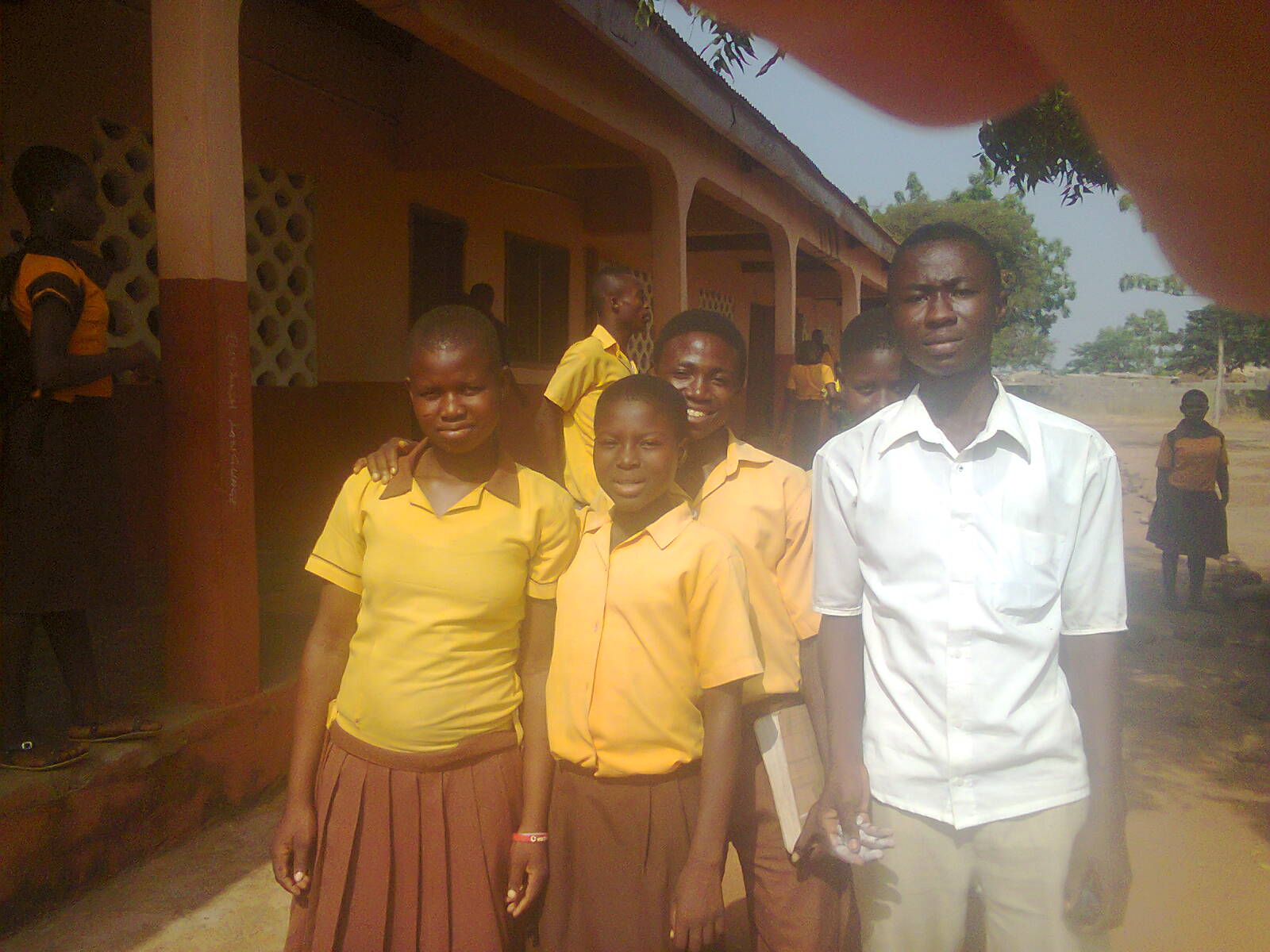
The school was founded in 2010 and is personally known to GSA supporter Sylvia Lynn-Meaden.  Sylvia and GSA combined to send £1400 to the school for the construction of a new classroom block.  Dorothy Abaah sent this report and pictures:   ” I write to inform you of the progress made in the building of the classroom block.  — The contractor advised that once the building is a store-building, it was technically unwise to put up the rooms piece by piece. I therefore used the money to buy materials which were used to cast 32 pillars. What is left is the casting of the lintel which materials are available. Our problems are the roofing of the building and the partitioning of the classrooms.  However, I was able to construct a decent room to accommodate class 6 pupils. The work is not progressing fast because the contractor is caught up with Government contracts far away from Bolgatanga.  Thank you. “                                                             img007 img008 img009               

Elikem Welfare Association

£250 was sent for books and other learning materials.  EWA was founded as a voluntary youth and cultural group in Accra in 1998 for young people, some of whom had been displaced by the building of the Volta dam in the 1960s.  EWA now runs a successful farmers’ cooperative based in Bodumase, near Kumasi.

Ashanti Development

This charity is working with isolated villages in the Ashanti region, providing support.  They asked Dave Banks, a retired teacher-trainer, to develop a method, replicable at low cost, to improve the quality of teaching in local schools.  Dave produced and piloted a written programme which is proving remarkably effective.  GSA supported the project with a grant of £750 towards training packs and other workshop expenses.

AGM 2015 Chairman’s report

At every Annual General Meeting since I took over the chairmanship of Ghana School Aid, I have said “Where has the past year gone?”  Time passes by so quickly, yet when we analyse the work of Ghana School Aid we can see how far we have progressed.  When we last met we were updated on the schools in the Volta Region which are being closely monitored by Penny Sewell.  We can see just how much progress both of them have made.  From being little more than a couple of empty shells, the two schools have taken shape and have grown into centres of academic excellence.  Our efforts have ensured a good education for so many and hopefully they will progress and take in even more pupils.  The same can be said for the Hartley Trust Foundation School at Kasoa which we have supported for 15 years.  We recently provided them with a new generator which means that lessons are guaranteed, even when the electricity supplies fail.

One point on which I wish to put emphasis is the education of women in Ghana.  We have always made an effort to channel our resources into projects where girls can benefit as well as boys.  An ancient Ghanaian saying says, “A woman is the home and the home is the basis of society”.  It is as we build our homes that we build our country.  If the home is inadequate – either inadequate in material goods and necessities or inadequate in the sort of friendly loving atmosphere that every child needs to grow and develop – then that country cannot have harmony and no country which does not have harmony can grow in any direction at all.

That is why women’s education is as important as the education of males.  Most – not all – countries in the world have neglected women’s education.  Now we have education there is a debate (it’s the same all over Africa) whether the education we have is adequate for the needs of Ghanaian society and the young people’s future.  Ghana’s system is not bad.  It produces very fine men and women, especially scientists and experts in different fields who are in great demand all over the world and even in the most affluent countries.  Many of Ghana’s young people sadly leave and go abroad because they get better conditions of work.  Take just one look at Germany which has more Ghanaian medical doctors than there are in the whole of Ghana.  This needs to be changed.

One of the biggest responsibilities of the educated women in Ghana today is how to synthesise what has been valuable and timeless in their ancient traditions with what is good and valuable in modern thought.  All that is modern is not necessarily good, just as all that is old is neither all good or all bad.  We have to decide, not once and for all, but almost every week, every month, what is coming out that is good and useful for Ghana and what of the old we can keep and enshrine in the society.

Now for Ghana tomorrow to become what we want it to become, a modern, rational society and family, based on what is good in its ancient traditions, we have to have a thinking public, thinking young women who are not content to accept what comes from any part of the world, but are willing to listen to it, to analyse it and to decide whether it is to be accepted or thrown out, and this is the sort of education we want, which enables our young people to adjust to this ever-changing world and to be able to contribute to it.

Our projects are few, but looking at a map of Ghana they are situated all over the country.  From the Greater Accra Region across the areas close to the sea, to the Volta, Eastern Ghana and the Northern Districts. Throughout we concentrate on providing the best education our limited funds can provide.  But considering the constraints we face, we manage to do a good job.  Having the likes of Patrick Heinecke, Joe Hallett, Kate Regan, Penny Sewell, Sue Hewlett and Letitia Boateng regularly visiting Ghana, these projects can be well-monitored.  We get up-to-date reports on all of them and full details are posted on our website.  In every project we see progress and I want to use this opportunity to put emphasis on the works of Patrick Heinecke who is dedicated to the work of the Sandema project.  This project is in the harsh, hot, dry region of Northern Ghana. Conditions there are not easy, but Patrick has persevered over the years to bring about a better life for so many. Here we have seen how is trying to put women first and he has sown seeds in what is fertile ground, and we are beginning to see the results.

The next 12 months will be challenging, but we are all up for it and our efforts will continue.  There is no job that is too small.  There is no person who is too small.  What we want to do is to make a better world by putting into perspective Ghana’s problems and the need for education for its people.

In conclusion, I must hank you all for your help and support.
2015 AGM and Reunion Lunch

Here is my mini-report on our AGM and Reunion lunch.  Thirty-three people were there for lunch, some of whom had sent extra money as donation, and many others had sent apologies – AND donations!  The event is in fact a major fund-raiser for us:  donations amounted to £913;  we also held a raffle (£92.75) and we auctioned a long and lovely piece of wax-print cloth (£50), making a total of £1055.75.  To this will be added any funds left over from registrations after we have paid for the room hire and catering.  So thank you everyone for your wonderful generosity.

If you were there, you will have seen how much that generosity means to the recipients of the grants we give.  We had reports from a number of projects and we went through the list of projects we supported in 2014-2015.  We also studied a beautifully-formulated application from Takpo Senior High School (Upper West Region) which is seeking funds to add to what their PTA is providing, in order to secure and mechanize the provision of water to the school.  We decided to seek a little further information about how the funds can be transferred, but the meeting endorsed the application, which will be finally voted on by the GSA committee when it meets in September.

You can read our Chairman’s report as another post on this website page – Ted Mayne lay particular emphasis this year on the importance of educating and educated women, and this chimed well with Patrick Heinecke’s report on challenging the tradition of punishing widows for the deaths of their husbands (Northern regions of Ghana), with the efforts of the Association of Ghanaian Nurses and their library project at Hia, and with several of the influential Ghanaian women who attended the meeting. We were delighted that Lord Boateng came in the afternoon to add his voice and encouragement for the work we do.

The great majority of participants had vivid and direct memories and experience of Ghana, a country we all love, but we are concerned at the difficulties being encountered due to frequent power cuts.  We would love to find a reliable company in Ghana which could install and maintain solar panels and service the power storage equipment.

The committee was re-elected nem con – thank you for your confidence in us – and we will be welcoming a new Ghanaian colleague on to the committee as we move forward into the next year.

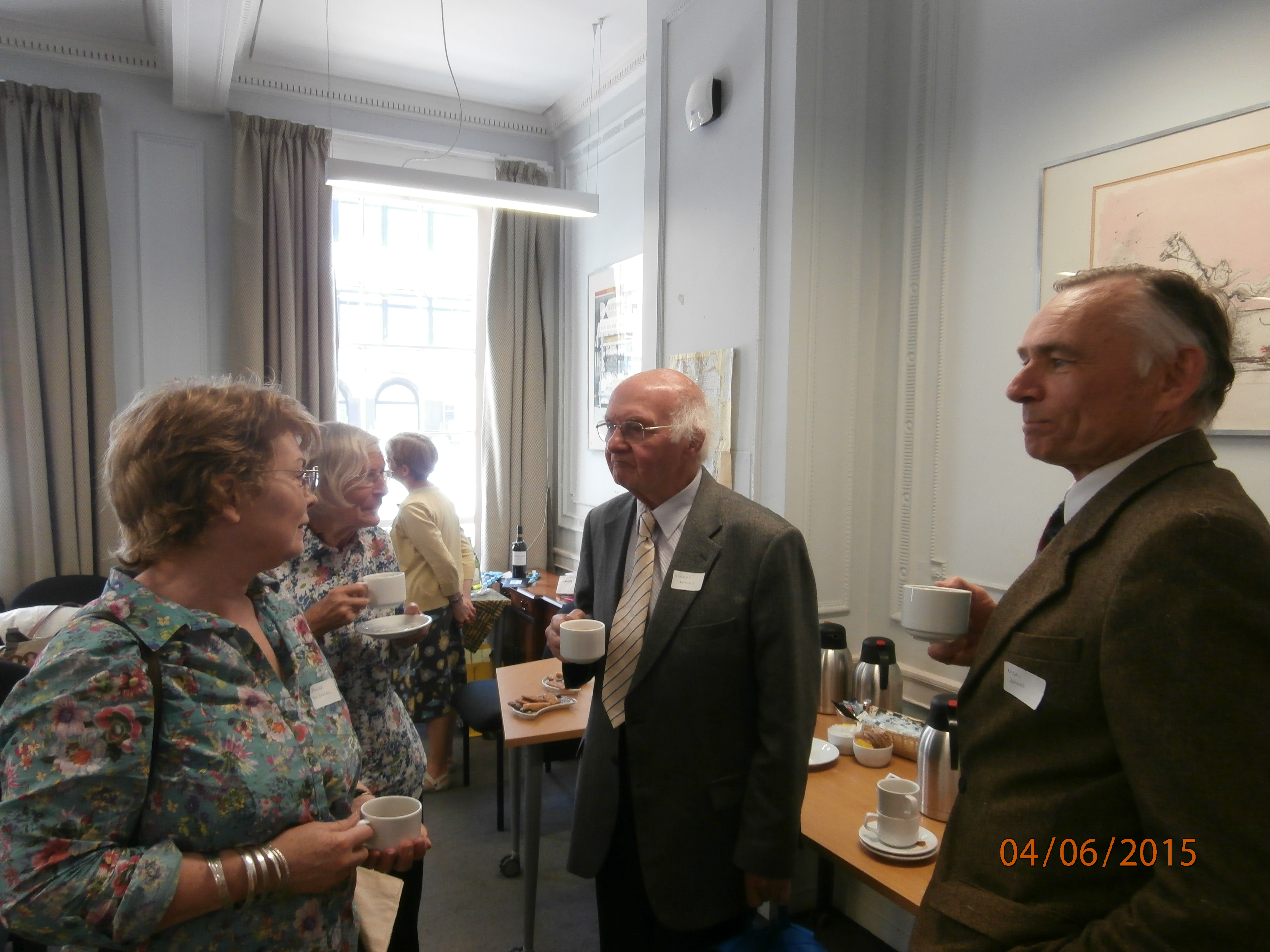
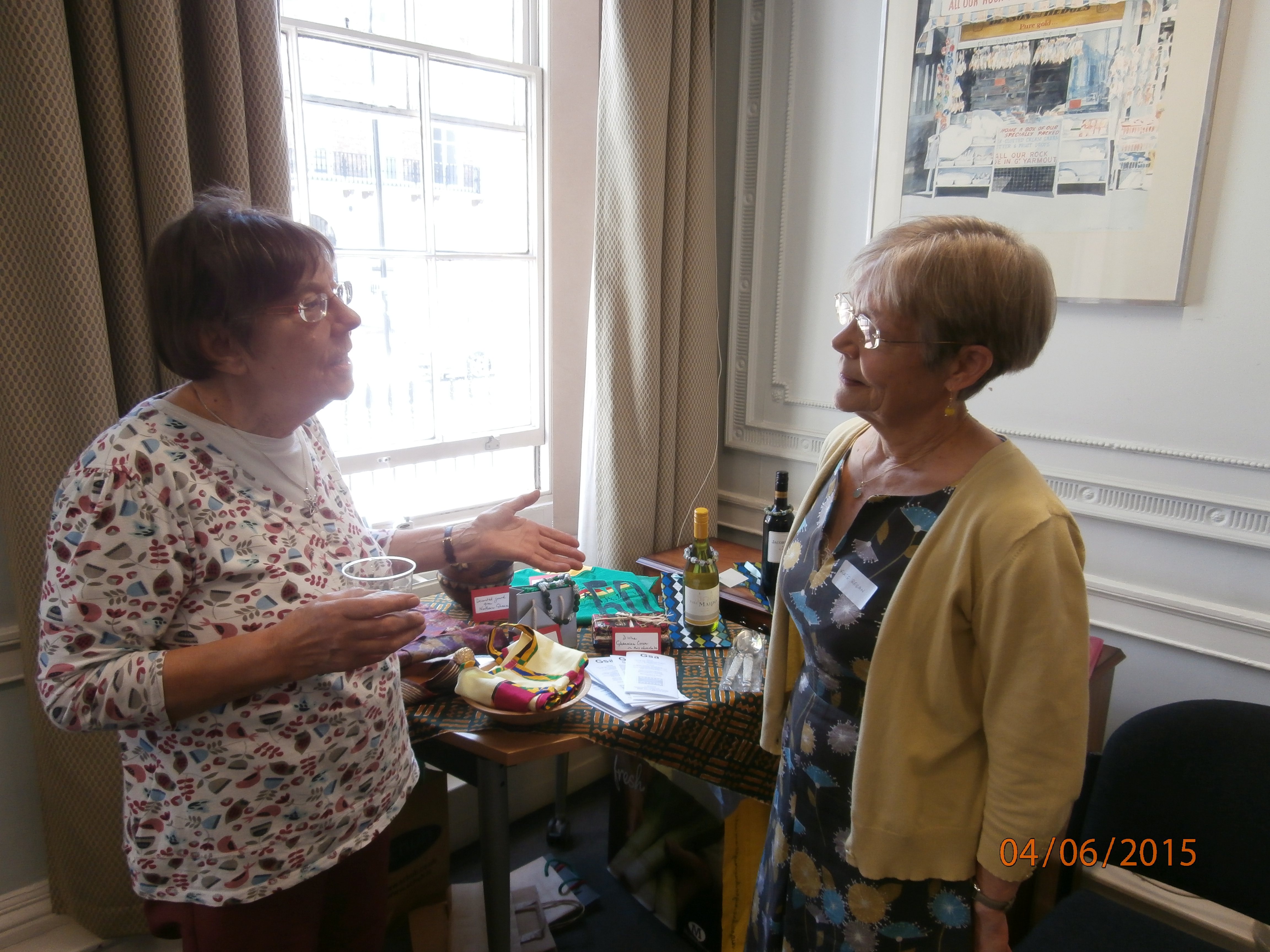
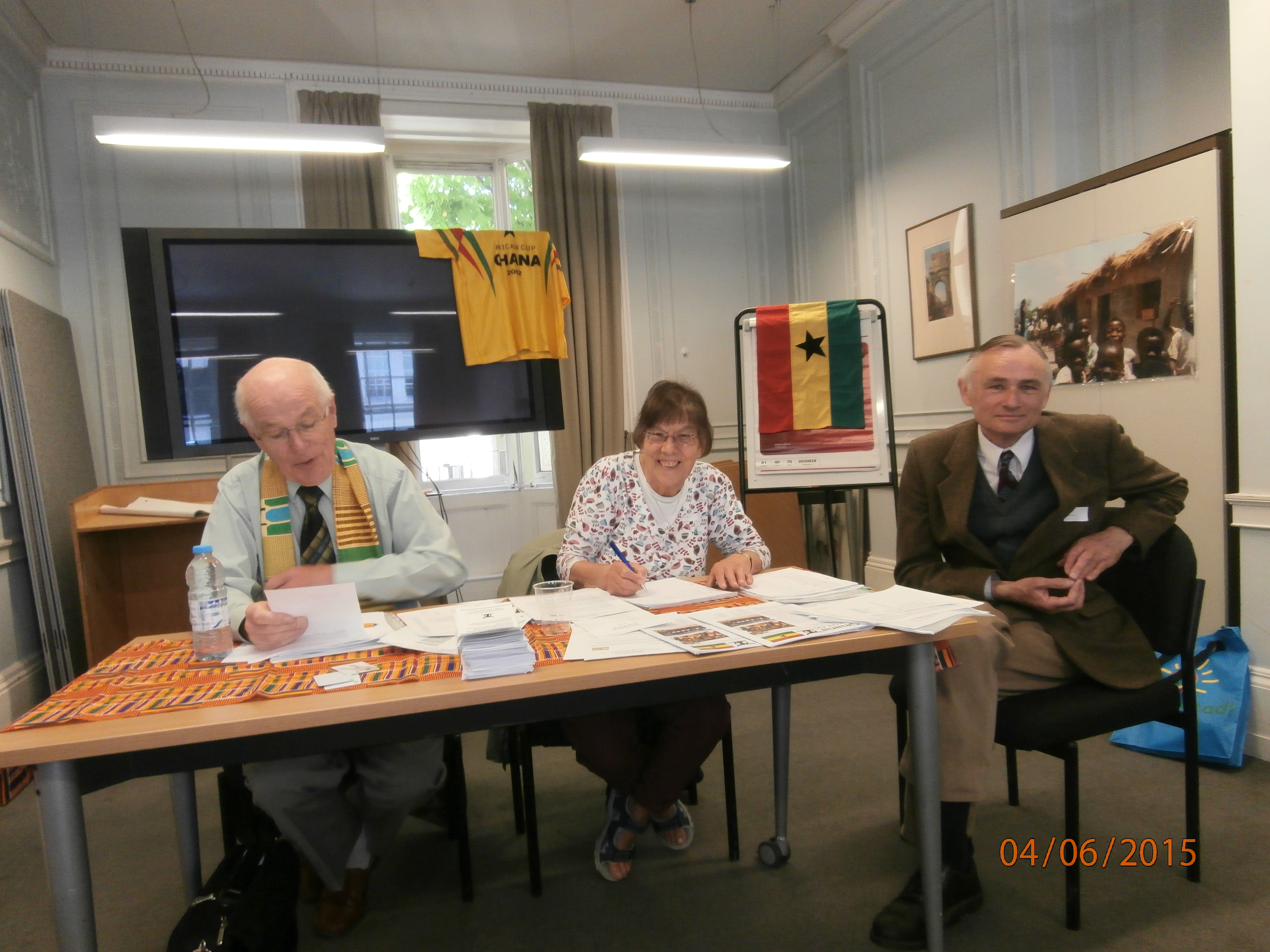
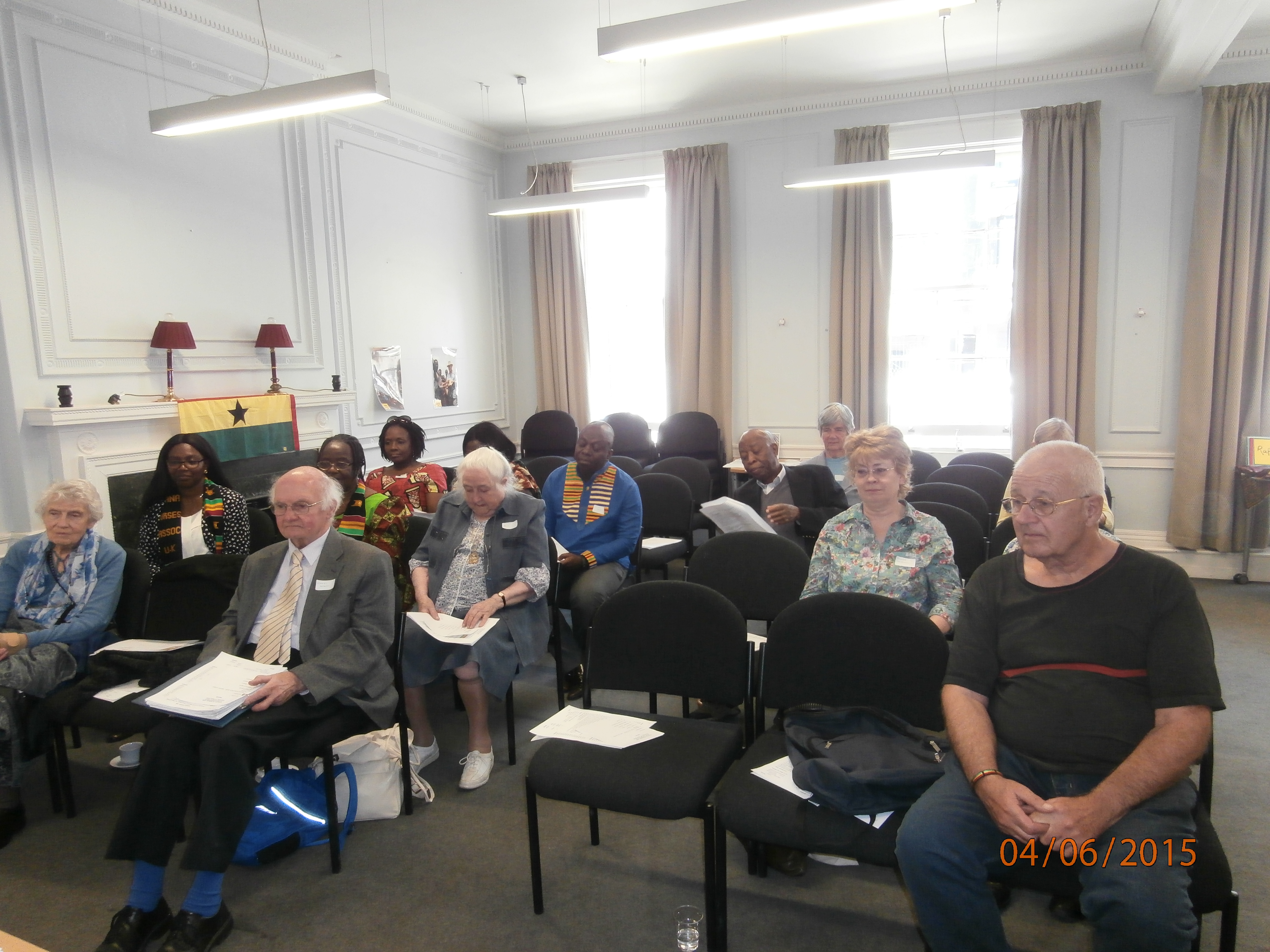
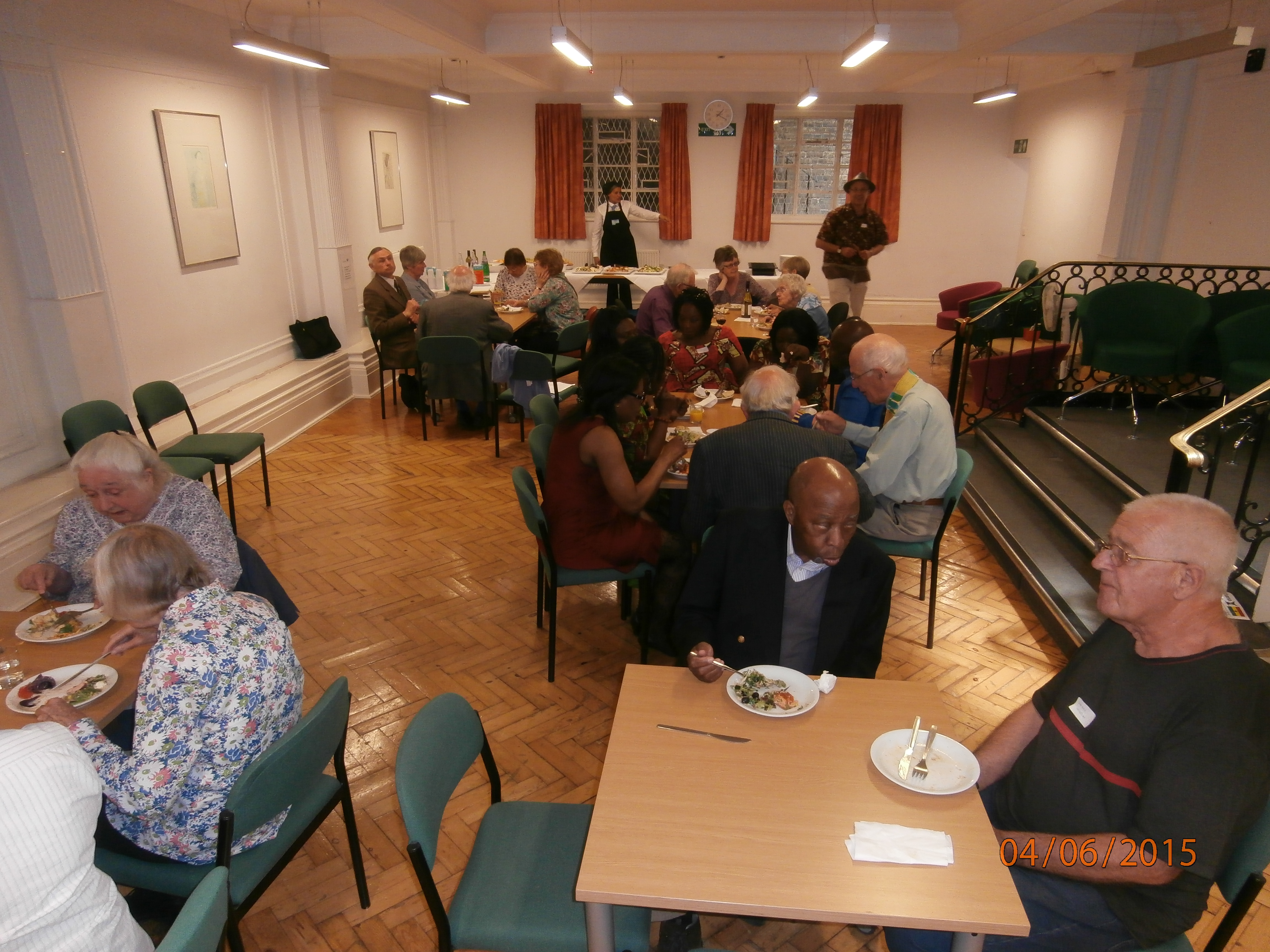
Here are some pictures taken at the AGM.

OLYMPUS DIGITAL CAMERA

Jennifer, Stanley and Nigel

OLYMPUS DIGITAL CAMERA

Jo and Kate (raffle prizes in the background)

OLYMPUS DIGITAL CAMERA

Ted giving his report, Jo and Nigel

OLYMPUS DIGITAL CAMERA

Listening to Ted’s report (Patrick on right)

OLYMPUS DIGITAL CAMERA

Enjoying the lunch!

Gbedema JHS

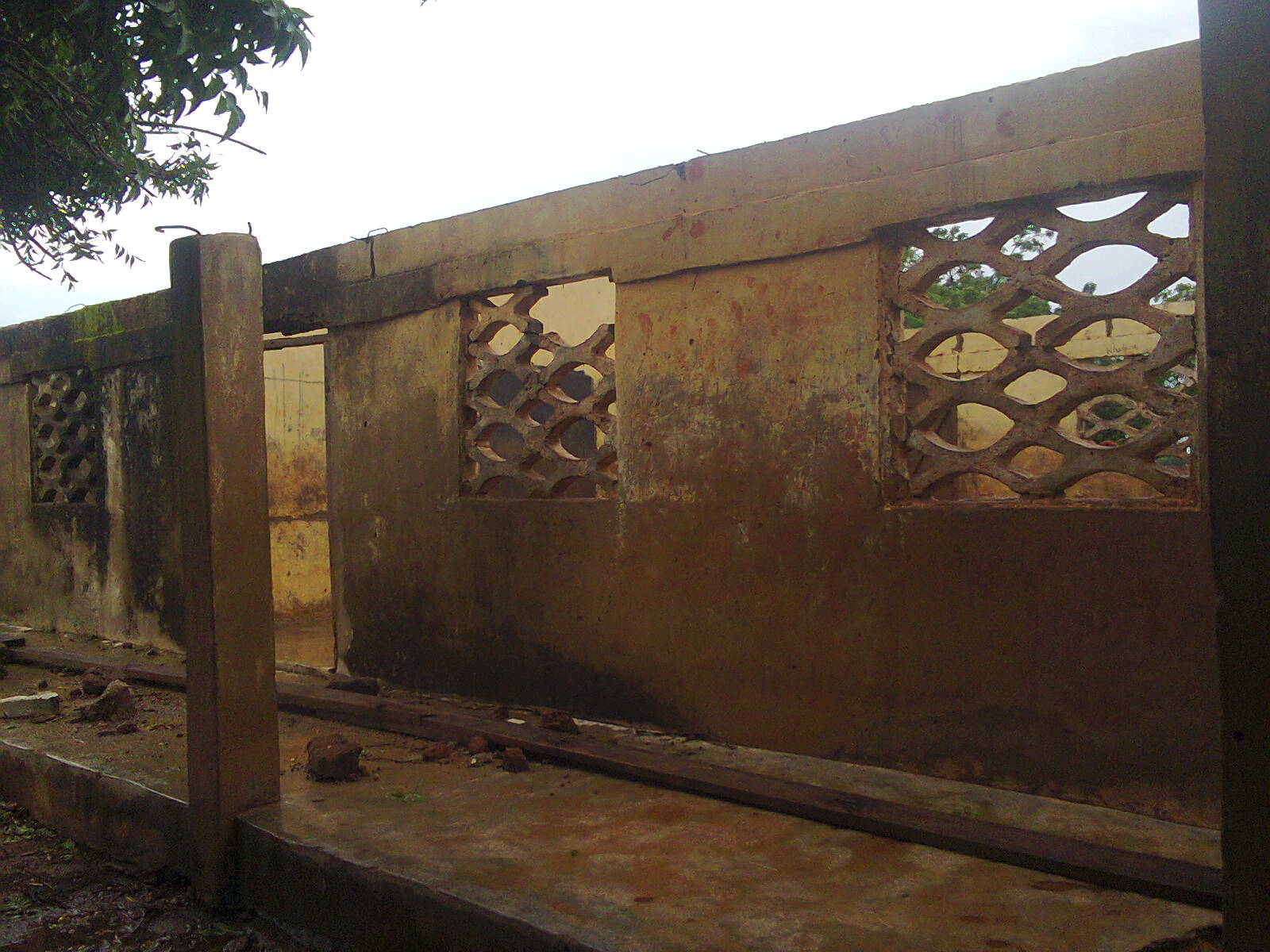
Gbedema is in the Upper East Region, 20 km south of Sandema, on the Fumbisi Road.  The school has 225 pupils and 3 classrooms, of which one has electricity from a solar panel.  It also has a programme for the visually impaired.  Elizabeth Howe, a Peace Corps Volunteer at the school 2013-2015 helped the school apply to GSA for a grant to set up computer facilities at the school.  The school wishes to provide a new computer room, and the community, led by the Chief, is fully supportive of the project.  Elizabeth sent two pictures, one of an old wall of the building to be restored, and one of future computer users.Old building Photo0229

UPDATE JULY 2015:  Elizabeth Howe, a Peace Corps volunteer, requested money for a digital projector for the school’s computer room.  The school has 225 pupils and 3 classrooms, one of which has electricity from a solar panel.  GSA sent £500 for the projector.  Elizabeth emailed recently to say the computer room doors had been made too big for the frames, the 2 signatories found it hard to get to the bank together, and frequent power cuts were slowing everything down.  But they’ll get there in the end!

2014 AGM and Reunion Lunch

Our AGM took place in London on Thursday 12 June.  It was attended by 43 people, 10 of whom had sent a very welcome extra donation to GSA funds.  16 other people sent generous, and much-appreciated, donations but were unable to attend. We were pleased to welcome two representatives from the Ghana High Commission. In lieu of a keynote speaker we heard this year reports of several prominent projects with which GSA has been associated.  Lynne Symonds spoke about the Wulugu Project, David Mustil gave a lively account of progress at the Good Shepherd School at Kasoa, Sonia Hinton told us about the work of the Sabre Trust in supporting and encouraging kindergarten education in the Cape Coast area.  In the afternoon we had further updates on GSA-supported projects, including the J.Bedu School and the Cambridge-Bethel School in Awudome, Volta Region (Penny Sewell); the Let’s Read Scheme in the Upper East Region (Jo Hallett); Cape Coast Primary school (Susannah Mayhew); the Sandema community radio project (Patrick Heinecke); the Firm Foundations Academy in Bolgatanga (Moses Anafu); Abonse School (Letitia Boateng).

Here is the text of our Chairman, Ted Mayne’s, address to the meeting.

                                                   AKWABA

It was four years ago that we witnessed the success of Ghana’s footballers when they came within a kick of reaching the World Cup Semi-Finals.  That in itself was a remarkable achievement and as the thirty-two nations assemble again, all of us involved in Ghana School Aid will be following them once again.  The last football World Cup took place in South Africa and since then South Africa has lost its greatest son, Nelson Mandela.  Nelson Mandela was an icon who strove for most of his life to improve the quality of life of his people and his primary aim was education.  He regarded schooling as essential and a path to a better future and, shortly after his release from detention after serving 27 years in prison, he was appalled at the limited schooling availble to so many of his people, and he said “MAKE EVERY HOME, EVERY SHACK OR RICKETY STRUCTURE A CENTRE OF LEARNING”.  These were brave words and we who are assembled here today, along with our supporters, are building on Mandela’s vision.

For our part, we have had an interesting year and continue to make progress.  Our supporters may have been reduced in numbers but we continue to grow in other ways.  Since our last meeting, when we were addressed by Lalage Bown, a true stalwart of education in Africa, we have seen our projects prosper in so many different ways.  From the Sandema project in the north where Patrick Heinecke strives so manfully to keep this struggling project running, to the School of the Good Shepherd on the coast near to Kasoa, we have enabled struggling educational establishments not only to survive but also to grow and prosper.  One only has to look to the Volta Region where Penny Sewell is so active monitoring two schools which have literally grown from nothing into successful schools which have been supported by Ghana School Aid.  Likewise in Bolgatanga Jo Hallett’s regular trips ensure that the Ghana Let’s Read project remains on the rails.  We now have plans to help out in Tamale as a result of the interest shown by Paul Boateng and, having our contact, Baako, in that area we have someone on site to keep us fully updated on the progress of GSA-supported schools in the region.  There will be a chance for all of us to hear all about our projects after lunch and this afternoon also gives us the chance to meet up with old friends who are so closely involved with the work we do.

We recently reported the death of Bill Peters who was an active supporter of Ghana School Aid.  He originally came on board following a successful global partnership gathering in the Barbican.  He was an old African hand and was at our reunions until recently.

Our two patrons remain very supportive but sadly they cannot be here today.  I was in touch with Baroness Chalker recently and she expressed her disappointment at not being able to come today.  For my part, I must express my appreciation to Paul Boateng who has given us a lot of support, and his donations through his speaking engagements have ensured that our funds remain healthy and we can now embark on ambitious programmes in areas otherwise untouched.  Paul has also helped out with visa applications for GSA-sponsored students keen to visit the United Kingdom.

I could go on at length about our work, but will refrain from doing so because our website is kept up-to-date and contains details of what we are doing.  This is thanks to our hard-working committee members who have mastered modern IT.  The committee has worked tirelessly to keep the show on the road.  Our quarterly meetings present us with opportunities to discuss the needs of those applying for assistance and there is always full agreement on what should be our priorities.  Nigel Dennis recently joined us and will be helping out with the accounts.  This will be of some relief to Stanley Anthony who has held the fort for so long.  Yes, thank you committee, and a special bouquet for Jennifer MacDougall who once more has produced an excellent Newsletter.  As we enter another year, may those earlier words of Nelson Mandela be our foundation for the future.

Thank you all for your support.


BAAKO’S NEW LAPTOP

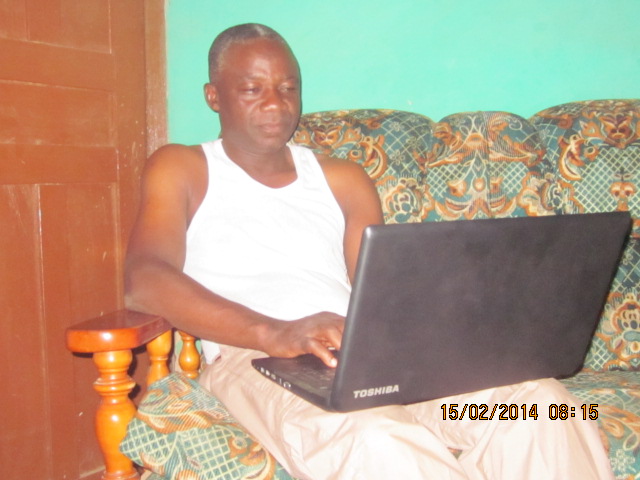
Thanks to some generous donations, GSA was able to provide £350 for Baako to purchase a new laptop.  Baako works voluntarily as a GSA representative in the North of Ghana.  His help is invaluable in acting as intermediary between GSA and some of its projects.  He advises on the ground, advises the GSA committee, sends us reports and pictures, and now his wife has kindly volunteered to work alongside him.  Here is a slightly shortened version of his February email to GSA:

I write to inform you and the executive of GSA that the amount of £350 sent to me, which was meant to purchase a laptop, was received.  The money was equivalent to GHC1348 and I bought a brand new Toshiba laptop at GHC1300 and a safe bag to contain it at GHC50, a total of GHC 1350.

I am very happy and very grateful to GSA for that kind gesture.  This will go a long way to facilitating my work for GSA, and besides that it will be useful to me in keeping my school records.

I attach pictures of the laptop and a receipt.  Thank you and the entire GSA for the continued support.

Baako

IMG_3122